Benefits of Playing Outside: Why it’s Important for Children's Health and Development
As the world is becoming more technology-driven, children are spending more time indoors in front of screens rather than being outside and engaging in physical activities. However, research has shown that playing outside has numerous benefits for children’s health and development. In this article, we will explore these benefits and why it’s important for children’s overall well-being.
Introduction
- Definition of playing outside
- The decline of outdoor play
- Importance of outdoor play
Playing outside refers to engaging in physical activities such as running, jumping, climbing, and exploring in an outdoor environment. Unfortunately, outdoor play has been on the decline in recent years, with children spending more time indoors on screens or participating in organized sports activities. It’s important to recognize the importance of outdoor play for children’s physical and mental health, development, and overall well-being.
Physical Health Benefits of Playing Outside
- Promotes physical activity and exercise
- Develops motor skills
- Builds immune system
- Improves fitness
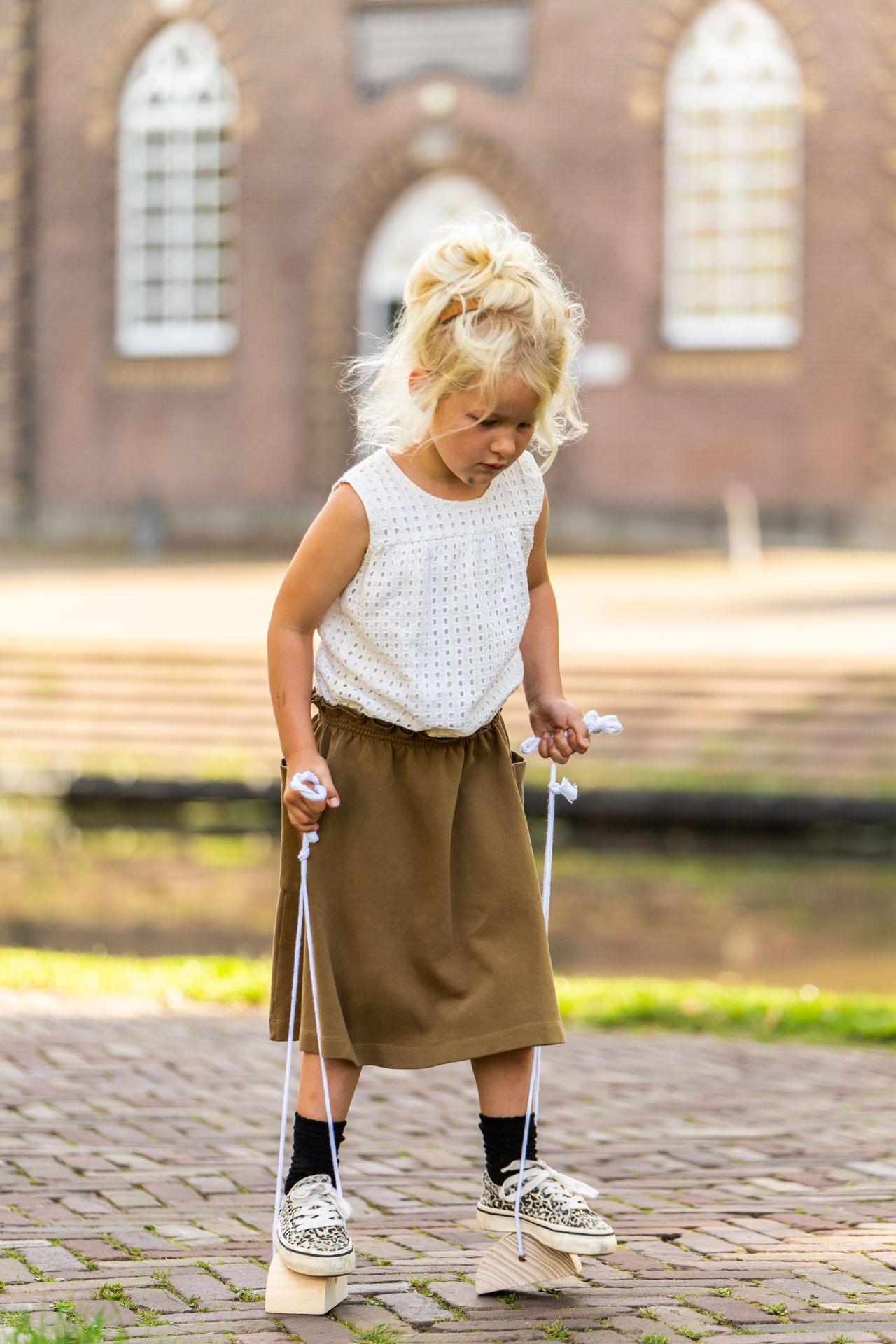
Playing outside encourages children to be physically active and engage in exercise, which is crucial for their overall health. It helps develop their motor skills, such as coordination, balance, and agility. Furthermore, being outside in nature exposes children to a variety of germs and bacteria, which helps build their immune system and reduce the risk of illnesses. Regular outdoor play also lowers the risk of obesity, a growing concern among children.
Mental Health Benefits of Playing Outside
- Reduces stress and anxiety
- Improves mood and happiness
- Enhances creativity and imagination
- Boosts self-esteem and confidence
Playing outside has numerous mental health benefits for children. It helps reduce stress and anxiety by providing a calming and soothing environment. It also improves mood and happiness by increasing exposure to natural light and fresh air. Outdoor play also enhances creativity and imagination, allowing children to explore and discover their surroundings. Furthermore, it boosts self-esteem and confidence by providing opportunities for children to take risks and develop new skills.
Social Development Benefits of Playing Outside
- Encourages social interaction and communication
- Teaches teamwork and collaboration
- Builds resilience and coping skills
- Develops empathy and understanding
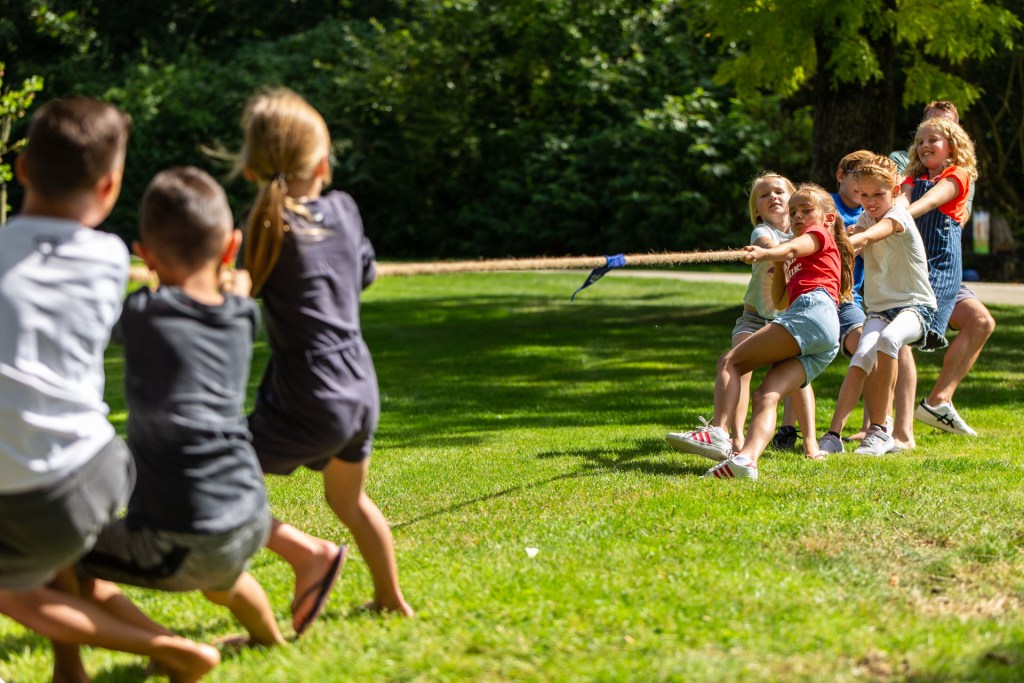
Playing outside provides opportunities for children to interact and communicate with others, which is essential for their social development. It also teaches teamwork and collaboration by engaging in group activities and games. Outdoor play also helps build resilience and coping skills by exposing children to challenges and obstacles. Finally, it develops empathy and understanding by encouraging children to explore and appreciate the natural world and other living beings.
Educational Benefits of Playing Outside
- Improves academic performance
- Enhances cognitive development
- Increases curiosity and interest in learning
- Provides real-life learning experiences
Playing outside can also have educational benefits for children. It improves academic performance by enhancing cognitive development and increasing focus and attention. Outdoor play also increases curiosity and interest in learning by providing opportunities to explore and discover the natural world. Furthermore, it provides real-life learning experiences, such as identifying plants and animals, understanding the environment, and learning about science and nature.
Conclusion
In conclusion, playing outside has numerous benefits for children’s health and development. It promotes physical activity and exercise, reduces stress and anxiety, encourages social interaction and communication, and provides real-life learning experiences. It’s important for parents and caregivers to recognize the value of outdoor play and encourage children to spend more time outside engaging in physical activities.